Nevada's Fentanyl Crisis: What Every Resident Needs to Know
Fentanyl-related overdose deaths have spiked across Nevada. Learn about the scope of the crisis in Las Vegas, Reno, and rural Nevada, and what resources are available.
Nevada is in the grip of a fentanyl crisis that is claiming lives at an alarming rate. From the Las Vegas Strip to the smallest rural communities in Elko County, no part of the state has been left untouched. Understanding the scope of this crisis — and knowing what resources exist — can mean the difference between life and death for you or someone you love.
The Scale of the Problem in Nevada
Fentanyl is a synthetic opioid that is 50 to 100 times more potent than morphine. A dose as small as two milligrams — roughly the size of a few grains of salt — can be lethal. According to the Nevada Division of Public and Behavioral Health (DPBH), drug overdose deaths in the state surpassed 1,100 in recent reporting years, with illicitly manufactured fentanyl (IMF) present in the vast majority of fatal cases.
The Centers for Disease Control and Prevention (CDC) has designated Nevada among the states experiencing above-average synthetic opioid mortality rates in its Western region. Nevada’s overdose death rate is significantly higher than the national average when adjusted for population, a trend that has accelerated since 2019.
Nationally, the Substance Abuse and Mental Health Services Administration (SAMHSA) reports that synthetic opioids like fentanyl now account for the majority of the more than 80,000 overdose deaths recorded annually in the United States. Nevada’s numbers track this tragic national pattern.
Why Fentanyl Is So Dangerous
Unlike heroin or prescription opioids, illicitly produced fentanyl is almost never sold openly as “fentanyl.” Instead, it is pressed into counterfeit pills that look identical to legitimate medications — fake OxyContin, fake Xanax, fake Adderall. The Drug Enforcement Administration (DEA) has found that approximately six out of every ten counterfeit pills seized in the United States contain a potentially lethal dose of fentanyl.
This means a person who buys what they believe is a prescription painkiller from a friend, a dealer, or online is gambling with their life. There is no way to tell by looking at a pill whether it contains fentanyl, and even a single pill can cause a fatal overdose in someone without opioid tolerance.
Fentanyl is also being found in cocaine, methamphetamine, and MDMA/ecstasy supplies throughout Nevada, catching people completely off guard. A person who has never used an opioid in their life can overdose on fentanyl that was mixed into a stimulant drug.
Geographic Impact: Las Vegas, Reno, and Rural Nevada
Clark County (Las Vegas) bears the heaviest overdose burden in Nevada simply due to population density. The Southern Nevada Health District tracks overdose data in real time and has documented dramatic year-over-year increases in fentanyl-involved deaths. The transient nature of Las Vegas — millions of visitors, a large hospitality workforce, and significant unhoused populations — creates conditions where drug use and its consequences are less visible but no less deadly.
Washoe County (Reno) has seen a parallel spike. The Reno-Sparks area’s proximity to Interstate 80, a major trafficking corridor, means fentanyl supply is steady and the drug is widely available. The Washoe County Health District has expanded naloxone distribution in response to rising overdose calls.
Rural Nevada faces unique challenges. Counties like Humboldt, Lander, and White Pine have fewer treatment resources, longer distances to emergency care, and slower emergency response times. A person who overdoses in rural Nevada may wait significantly longer for help than someone in Las Vegas. This makes access to naloxone — the overdose reversal medication — even more critical in these communities.
Recognizing a Fentanyl Overdose
Knowing the signs of an opioid overdose can save a life. According to SAMHSA and the National Institute on Drug Abuse (NIDA), symptoms include:
- Slow, shallow, or stopped breathing
- Blue or grayish lips and fingertips (cyanosis)
- Gurgling or snoring sounds (sometimes called the “death rattle”)
- Unresponsiveness — the person cannot be woken up
- Extremely small (pinpoint) pupils
- Limp body
If you witness these signs, call 911 immediately. Nevada has a Good Samaritan law (NRS 453C) that provides limited legal protections to people who call for help during an overdose. You will not be prosecuted for drug possession if you call 911 in good faith to report an overdose.
Naloxone: Nevada’s Frontline Defense
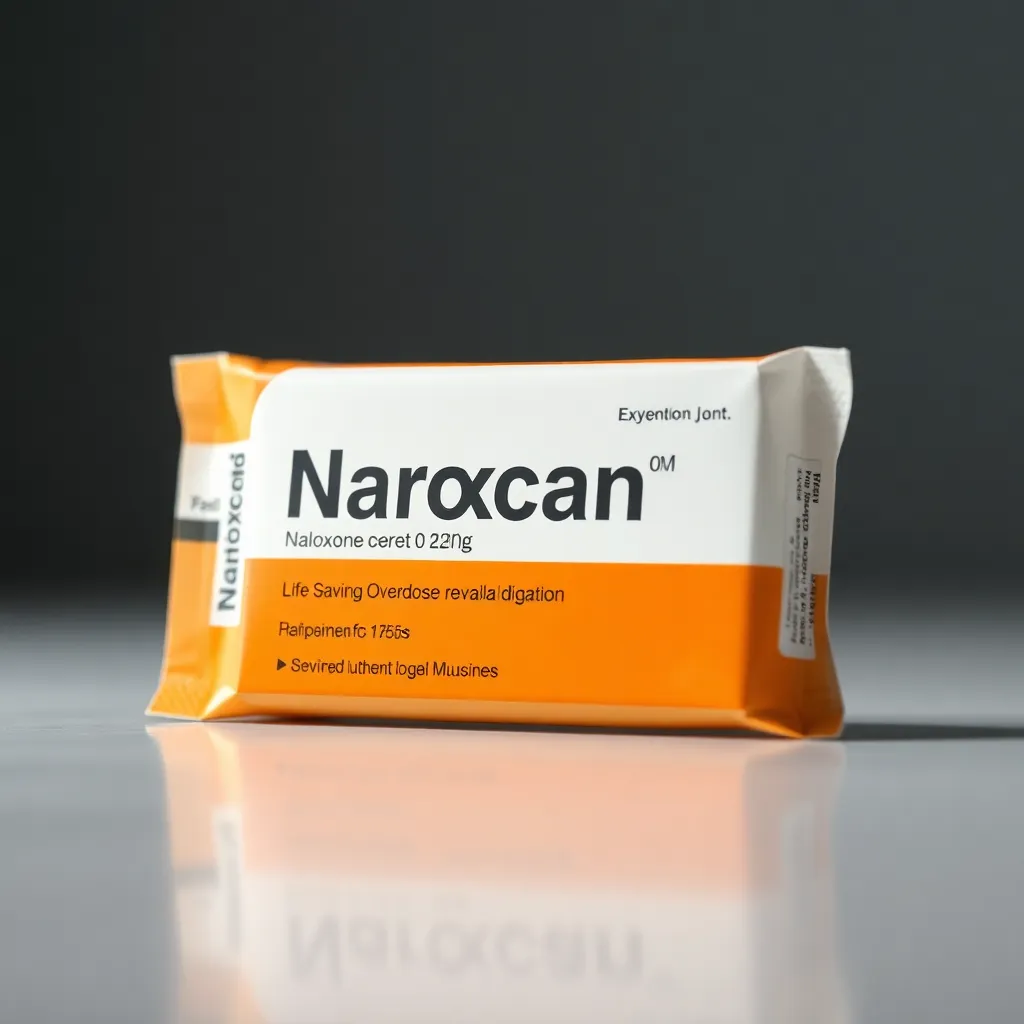
Naloxone (brand name Narcan) is a medication that can reverse an opioid overdose within minutes. It is available without a prescription at pharmacies throughout Nevada, including Walgreens, CVS, and Smith’s locations statewide.
The Nevada DPBH and local health districts distribute free naloxone through community programs. Organizations like the Harm Reduction Coalition of Nevada and FORCE (Fighting Opioids with Resources, Community, and Education) provide training and free kits to anyone who wants them.
Fentanyl’s extreme potency means a single dose of naloxone may not be sufficient — multiple doses may be needed to reverse a fentanyl overdose. If you administer naloxone and the person does not respond within two to three minutes, administer a second dose and continue rescue breathing until emergency services arrive.
Fentanyl Test Strips
Fentanyl test strips are simple, inexpensive paper strips that can detect the presence of fentanyl in drugs before use. Nevada has taken steps to reduce legal barriers to test strip access, and they are available through harm reduction organizations across the state.
Using a test strip is not an endorsement of drug use — it is a harm reduction measure that can prevent accidental death. SAMHSA recommends test strip distribution as part of a comprehensive overdose prevention strategy.
The Path to Treatment
Surviving an overdose or recognizing a problem with fentanyl or other opioids is often the moment people decide to seek help. Medication-assisted treatment (MAT) using buprenorphine (Suboxone) or methadone is the gold standard for opioid use disorder treatment, endorsed by NIDA, SAMHSA, and the American Society of Addiction Medicine.
Nevada has expanded access to MAT in recent years. Federally Qualified Health Centers (FQHCs) and opioid treatment programs (OTPs) operate in Clark, Washoe, and several rural counties. Telehealth options have also expanded access for Nevadans who cannot travel to a clinic.
If you or someone you know is struggling with fentanyl or any opioid, treatment works. Recovery is possible. The first step is asking for help.
Ready to Get Help?
You do not have to face fentanyl addiction alone, and you do not have to wait until things get worse. Our hotline connects Nevada residents to treatment options, naloxone resources, and support — 24 hours a day, seven days a week. Calls are free and confidential.
Call the Nevada Addiction Hotline now. A compassionate specialist is ready to help you find the right next step — whether that’s for yourself or someone you love.
Sources: Nevada Division of Public and Behavioral Health (DPBH); Centers for Disease Control and Prevention (CDC), Drug Overdose Surveillance Data; SAMHSA National Survey on Drug Use and Health; National Institute on Drug Abuse (NIDA); Drug Enforcement Administration (DEA), One Pill Can Kill initiative; Southern Nevada Health District; Washoe County Health District.
Continue Reading

Alcohol Use Disorder in Nevada: Recognizing the Problem and Finding Help
Nevada's entertainment culture can mask serious alcohol problems. This guide explores alcohol use disorder signs, health consequences, and evidence-based treatment options in the state.

Helping a Family Member with Addiction in Nevada: A Guide for Loved Ones
When someone you love struggles with addiction, you need guidance, not judgment. This guide helps Nevada families understand addiction, find resources, and protect their own wellbeing.