
Helping a Family Member with Addiction in Nevada: A Guide for Loved Ones
When someone you love struggles with addiction, you need guidance, not judgment. This guide helps Nevada families understand addiction, find resources, and protect their own wellbeing.
Watching someone you love struggle with addiction is one of the most painful experiences a family can go through. You may feel helpless, angry, exhausted, and heartbroken — sometimes all at once. You may have tried everything you can think of and watched it fail. You may be wondering whether you are making things better or worse.
This guide is for you. It is written not for the person struggling with addiction, but for the family members, partners, parents, and friends who love them and want to help without losing themselves in the process.
Understanding Addiction: It’s Not a Character Flaw
The most important thing to understand is that addiction is a medical condition, not a moral failing. The National Institute on Drug Abuse (NIDA) defines addiction as a chronic, relapsing brain disorder characterized by compulsive drug seeking despite harmful consequences. Changes in brain structure and function — particularly in areas governing reward, decision-making, and impulse control — make quitting extraordinarily difficult without support.
This does not mean your loved one has no responsibility for their choices. It means that willpower alone is rarely enough to overcome addiction, and that shame and blame rarely motivate recovery. What does work, according to research summarized by the Substance Abuse and Mental Health Services Administration (SAMHSA), is connection, professional treatment, and sustained support.
Understanding addiction as a disease does not mean accepting unacceptable behavior. You can hold compassion and boundaries at the same time.
Common Signs That Someone Needs Help
You may already know something is seriously wrong. But sometimes the signs of addiction are subtle, especially in the early stages. The Nevada Division of Public and Behavioral Health (DPBH) and NIDA identify the following warning signs:
- Withdrawing from family, friends, and activities they once enjoyed
- Changes in sleep patterns — sleeping too much or too little
- Financial problems, missing money, or borrowing money frequently
- Mood swings, irritability, or unusual agitation
- Neglecting responsibilities at work, school, or home
- Changes in physical appearance — weight loss, poor hygiene
- Secretive behavior, lying, or defensiveness when asked about drug or alcohol use
- Legal problems related to substance use
If several of these apply to your loved one, it is worth having a conversation — or consulting a professional about how to approach one.
How to Talk to Someone About Their Addiction
These conversations are rarely easy, and there is no script that guarantees a good outcome. However, experts in addiction counseling consistently recommend the following approach:
Choose the right moment. Talk when your loved one is sober and relatively calm — not in the middle of a crisis or argument.
Use “I” statements instead of accusations. “I feel scared when I don’t know where you are” lands differently than “You’re destroying this family.” The first invites conversation; the second invites defensiveness.
Be specific about what you’ve observed. Rather than saying “you have a problem,” describe what you have seen: missed work, close calls driving, the conversation last Tuesday.
Express love first. Make it clear that you are having this conversation because you care, not because you want to control or punish them.
Avoid ultimatums you aren’t prepared to follow through on. Empty threats undermine your credibility and teach your loved one that consequences aren’t real.
Be prepared for denial. Most people with addiction are not ready to acknowledge the full scope of their problem at first. The conversation may need to happen more than once.
Professional Intervention: When Conversations Aren’t Enough
If direct conversations have not worked, a professionally facilitated intervention may be appropriate. Unlike the confrontational style depicted on television, most modern intervention models — including the Community Reinforcement and Family Training (CRAFT) approach — focus on positive communication strategies and motivating change without ultimatums or ambushes.
Nevada has licensed interventionists and addiction counselors who can guide families through this process. SAMHSA’s National Helpline (1-800-662-4357) can help connect you to resources, including family therapy and intervention specialists.
Setting Boundaries Without Guilt
One of the hardest parts of loving someone with addiction is figuring out where the line is between supporting them and enabling them. Enabling behavior — such as covering for them with employers, paying debts caused by drug use, or minimizing the consequences of their behavior — can actually delay their entry into treatment by removing natural motivators.
Setting boundaries is not abandonment. Boundaries are statements about what you will and will not do. Examples:
- “I will not give you money, but I will drive you to a treatment appointment.”
- “You cannot use substances in our home.”
- “I won’t lie to your employer for you.”
Boundaries protect you. They also communicate that there are real consequences to addiction — which can ultimately help motivate change.
Taking Care of Yourself: Your Wellbeing Matters Too
Families of people with addiction often neglect their own mental health. Research published in journals cited by SAMHSA shows that family members of people with substance use disorders experience elevated rates of depression, anxiety, and trauma symptoms.
Al-Anon is a free, peer-support program specifically for family members of people with alcohol use disorder. Nar-Anon serves families affected by drug addiction. Both have meetings throughout Nevada, including in Las Vegas, Henderson, Reno, Sparks, and Carson City. Online meetings are available for those in rural areas.
Therapy with a licensed counselor who specializes in addiction and family systems can also be enormously helpful. The Nevada Alliance on Mental Illness (NAMI Nevada) maintains a resource directory that includes family support services.
Nevada Resources for Families
- Nevada Division of Public and Behavioral Health (DPBH): dpbh.nv.gov — statewide resource directory
- Nevada 211: Dial 2-1-1 for local health and human services referrals
- SAMHSA National Helpline: 1-800-662-4357 — free, confidential, 24/7
- Behavioral Health Wellness Center (Las Vegas/Clark County): crisis and referral services
- Renown Behavioral Health (Reno): outpatient and inpatient services in northern Nevada
- Al-Anon Nevada: al-anon.org — meeting finder for Nevada groups
What to Do in an Emergency
If your loved one is in immediate danger — actively overdosing, expressing suicidal thoughts, or experiencing a psychiatric crisis — call 911. Nevada’s Good Samaritan law (NRS 453C) provides legal protections to people who call 911 during a drug overdose.
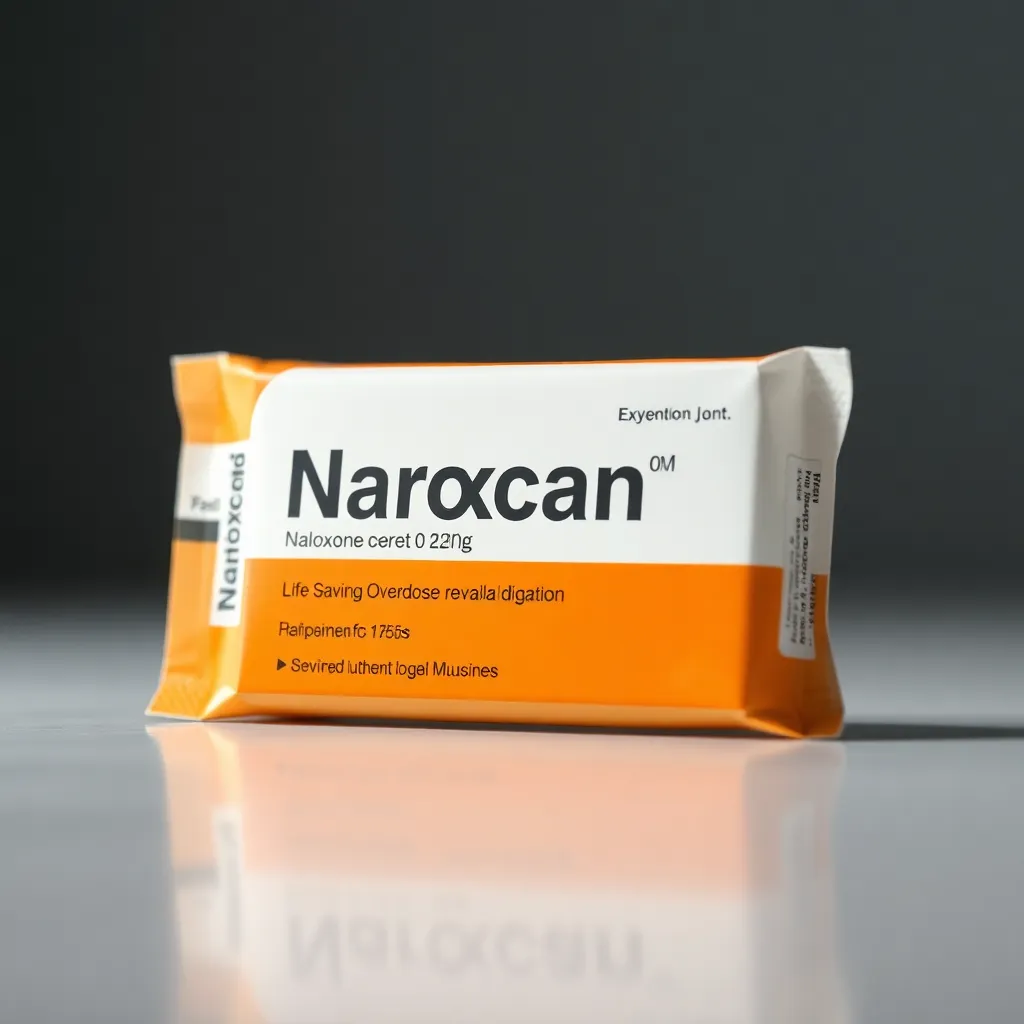
Keep naloxone (Narcan) in your home. It is available without a prescription at Nevada pharmacies and through free distribution programs. Naloxone can reverse an opioid overdose in minutes and has no effect if opioids are not present, meaning it is completely safe to administer if you are unsure.
Hope Is Real — Recovery Happens
Millions of Americans are in long-term recovery from addiction. Recovery looks different for everyone. For some it is sobriety; for others it is managing use and rebuilding their life. What matters is movement toward health, stability, and reconnection.
Your love matters. Your support — when paired with appropriate boundaries and professional help — can make a real difference. You did not cause this, you cannot control it, but you can contribute to conditions that make recovery more likely.
Ready to Get Help?
Whether you are seeking treatment options for a loved one or simply need someone to talk to, our hotline is here. Nevada families can call any time of day or night to speak with a trained specialist who understands addiction and knows the resources available throughout the state.
Call the Nevada Addiction Hotline today. You don’t have to navigate this alone.
Sources: National Institute on Drug Abuse (NIDA); Substance Abuse and Mental Health Services Administration (SAMHSA), Family Support Resources; Nevada Division of Public and Behavioral Health (DPBH); NAMI Nevada; Al-Anon Family Groups; Nar-Anon Family Groups.
Continue Reading

Alcohol Use Disorder in Nevada: Recognizing the Problem and Finding Help
Nevada's entertainment culture can mask serious alcohol problems. This guide explores alcohol use disorder signs, health consequences, and evidence-based treatment options in the state.
Nevada's Fentanyl Crisis: What Every Resident Needs to Know
Fentanyl-related overdose deaths have spiked across Nevada. Learn about the scope of the crisis in Las Vegas, Reno, and rural Nevada, and what resources are available.